
10 Essential Health Tips for a Healthier Lifestyle in 2026
Your Complete Guide to Wellness, Nutrition, and Mental Health
Introduction
In today's fast-paced world, maintaining good health can feel overwhelming. Between work, social life, and endless digital distractions, health tips often take a backseat. But the truth is, small, consistent changes can lead to transformative results. Whether you're looking to boost your energy, improve your mental health, or simply feel better in your daily life, this guide offers 10 essential health tips that are practical, science-backed, and easy to implement.
This article covers everything from nutrition and fitness to mental wellness and preventive care—giving you a holistic approach to living your healthiest life in 2026 and beyond.
1. Stay Hydrated: The Foundation of Health

Water is life. It sounds simple, but proper hydration is one of the most overlooked aspects of a healthy lifestyle. Your body is approximately 60% water, and every system depends on it—from regulating body temperature to flushing out toxins.
Why Hydration Matters
- Boosts energy levels and reduces fatigue
- Improves cognitive function and concentration
- Supports digestion and prevents constipation
- Promotes healthy skin and reduces signs of aging
- Aids in weight management by reducing unnecessary snacking
How Much Water Do You Need?
The classic "8 glasses a day" rule is a good starting point, but individual needs vary based on activity level, climate, and body size. A better guideline: drink when you're thirsty, and aim for pale yellow urine as a sign of proper hydration.
Practical Tips:
- Start your morning with a glass of water before coffee
- Carry a reusable water bottle everywhere
- Set hourly reminders on your phone
- Eat water-rich foods like cucumbers, watermelon, and oranges
- Flavor water with lemon, mint, or berries if plain water feels boring
2. Prioritize Quality Sleep

Sleep isn't a luxury—it's a biological necessity. Yet, millions of people sacrifice sleep for productivity, entertainment, or stress. Poor sleep is linked to obesity, heart disease, diabetes, depression, and weakened immunity.
The Science of Sleep
During sleep, your body repairs tissues, consolidates memories, and regulates hormones. Adults need 7-9 hours of quality sleep per night for optimal health.
Signs You're Not Getting Enough Sleep:
- Constant fatigue and low energy
- Difficulty concentrating or remembering things
- Mood swings and irritability
- Increased cravings for sugar and junk food
- Frequent illness
Sleep Hygiene Tips:
- Stick to a schedule: Go to bed and wake up at the same time daily, even on weekends
- Create a bedtime routine: Read, meditate, or take a warm bath
- Optimize your environment: Keep your bedroom cool, dark, and quiet
- Limit screen time: Avoid phones and laptops at least 1 hour before bed (blue light disrupts melatonin)
- Watch your diet: Avoid caffeine after 2 PM and heavy meals before bed
3. Move Your Body Daily
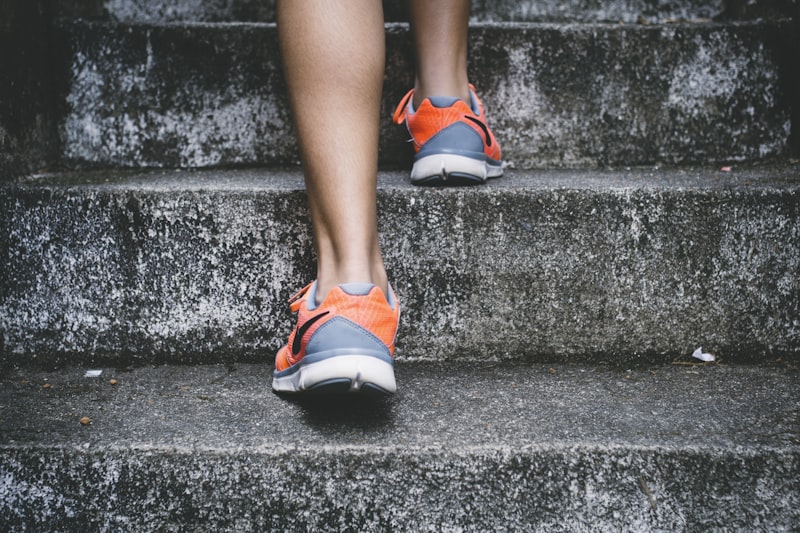
Exercise is one of the most powerful tools for improving both physical and mental health. You don't need a gym membership or hours of free time—just 30 minutes of movement most days can make a huge difference.
Benefits of Regular Physical Activity:
- Strengthens your heart and reduces risk of cardiovascular disease
- Boosts mood by releasing endorphins (natural "feel-good" chemicals)
- Improves sleep quality
- Helps maintain a healthy weight
- Increases energy levels and stamina
- Reduces risk of chronic diseases like diabetes and certain cancers
Types of Exercise to Include:
- Cardio: Walking, running, cycling, swimming, dancing
- Strength training: Bodyweight exercises, resistance bands, weights
- Flexibility: Yoga, stretching, Pilates
- Balance: Tai chi, stability exercises
Getting Started:
- Start small: Even 10-minute walks count
- Find what you enjoy: You're more likely to stick with activities you love
- Mix it up: Variety prevents boredom and works different muscle groups
- Make it social: Exercise with friends or join a class
- Track progress: Use apps or journals to stay motivated
4. Eat a Balanced, Nutrient-Rich Diet
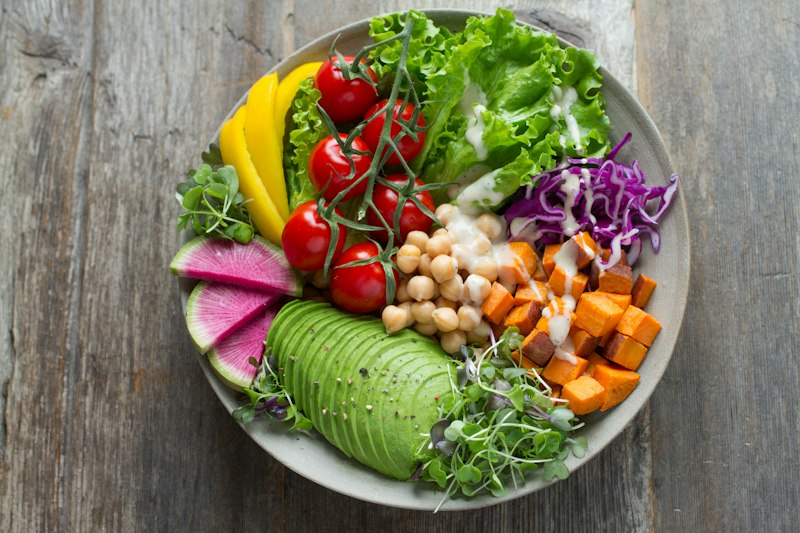
Nutrition is the fuel your body runs on. What you eat directly impacts your energy, mood, immunity, and long-term health. The goal isn't perfection—it's progress toward a more balanced, whole-food-based diet.
The Building Blocks of a Healthy Diet:
- Fruits and vegetables: Aim for at least 5 servings daily; prioritize colorful variety
- Whole grains: Brown rice, quinoa, oats, whole wheat bread
- Lean proteins: Chicken, fish, beans, lentils, tofu, eggs
- Healthy fats: Avocados, nuts, seeds, olive oil, fatty fish (salmon, mackerel)
- Limit processed foods: Reduce sugar, sodium, and trans fats
Practical Nutrition Tips:
- Meal prep: Prepare healthy meals in advance to avoid fast food temptation
- Read labels: Be aware of hidden sugars and unhealthy additives
- Practice portion control: Use smaller plates and listen to hunger cues
- Stay mindful: Eat slowly, without distractions, and savor your food
- Don't skip breakfast: A nutritious morning meal jumpstarts your metabolism
Superfoods to Include:
- Berries: Packed with antioxidants
- Leafy greens: Spinach, kale, arugula
- Nuts and seeds: Almonds, chia seeds, flaxseeds
- Fatty fish: Omega-3s for brain and heart health
- Fermented foods: Yogurt, kimchi, sauerkraut for gut health
5. Manage Stress Effectively
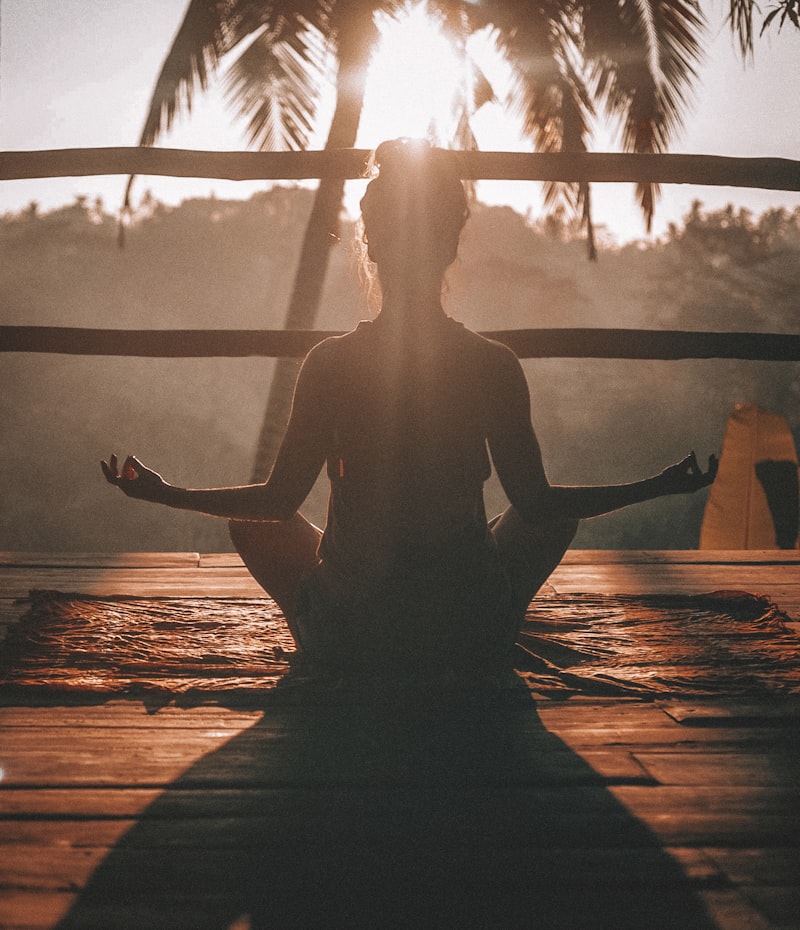
Chronic stress is a silent killer. It contributes to anxiety, depression, heart disease, digestive issues, and weakened immunity. Learning to manage stress is essential for a healthy lifestyle.
Stress Management Techniques:
- Mindfulness and meditation: Even 5 minutes daily can reduce stress hormones
- Deep breathing exercises: Try the 4-7-8 technique (inhale 4 seconds, hold 7, exhale 8)
- Physical activity: Exercise is a natural stress reliever
- Journaling: Write down thoughts and feelings to process emotions
- Time in nature: Spending time outdoors lowers cortisol levels
- Hobbies and creativity: Engage in activities that bring joy and relaxation
When to Seek Help:
If stress feels unmanageable or you're experiencing symptoms of anxiety or depression, reach out to a mental health professional. Therapy and counseling are powerful tools for mental health and wellness.
6. Build Strong Social Connections

Humans are social creatures. Strong relationships and a sense of community are linked to longer life, better mental health, and increased happiness.
Why Social Connections Matter:
- Reduce feelings of loneliness and isolation
- Provide emotional support during tough times
- Boost self-esteem and sense of belonging
- Encourage healthy behaviors (friends who exercise together, stay healthy together)
How to Strengthen Your Social Life:
- Prioritize quality over quantity: A few close friends are more valuable than many acquaintances
- Schedule regular catch-ups: Make time for phone calls, coffee dates, or video chats
- Join groups or clubs: Find communities based on hobbies or interests
- Volunteer: Helping others builds connections and purpose
- Be present: Put away your phone and engage fully in conversations
7. Practice Preventive Care

Preventive care is about catching potential health issues early, before they become serious. Regular check-ups and screenings can save your life.
Essential Preventive Health Measures:
- Annual physical exams: Monitor blood pressure, cholesterol, and overall health
- Dental check-ups: Every 6 months to prevent cavities and gum disease
- Vision and hearing tests: Especially important as you age
- Cancer screenings: Mammograms, colonoscopies, skin checks (based on age and risk factors)
- Vaccinations: Stay up-to-date on flu shots, COVID boosters, and other immunizations
Know Your Numbers:
- Blood pressure: Aim for below 120/80 mmHg
- Cholesterol: Total cholesterol under 200 mg/dL
- Blood sugar: Fasting glucose under 100 mg/dL
- BMI: Maintain a healthy weight for your height
Self-Care at Home:
- Perform regular skin checks for unusual moles or changes
- Women: monthly breast self-exams
- Men: testicular self-exams
8. Limit Alcohol and Avoid Smoking

Lifestyle choices like smoking and excessive alcohol consumption are major risk factors for chronic diseases.
The Truth About Alcohol:
Moderate drinking (up to 1 drink per day for women, 2 for men) may be acceptable for some, but excessive alcohol increases risk of liver disease, heart problems, and certain cancers.
Smoking and Vaping:
Tobacco use is the leading cause of preventable death worldwide. Quitting smoking is one of the best things you can do for your health—benefits begin within hours of your last cigarette.
Tips to Quit:
- Set a quit date and tell friends/family for accountability
- Use nicotine replacement therapy (patches, gum)
- Seek support groups or counseling
- Replace the habit with healthier alternatives (chewing gum, exercise)
9. Protect Your Skin
Your skin is your body's largest organ and deserves protection. Sun damage is the leading cause of premature aging and skin cancer.
Sun Safety Tips:
- Wear sunscreen daily: SPF 30 or higher, even on cloudy days
- Reapply every 2 hours when outdoors
- Seek shade during peak sun hours (10 AM - 4 PM)
- Wear protective clothing: Hats, sunglasses, long sleeves
- Avoid tanning beds: They increase skin cancer risk
Daily Skincare Routine:
- Cleanse gently morning and night
- Moisturize to keep skin hydrated
- Use products suited to your skin type
- Stay hydrated and eat antioxidant-rich foods
10. Cultivate a Positive Mindset

Mental health is just as important as physical health. Your thoughts and attitudes shape your reality and influence your overall wellness.
Ways to Build Mental Resilience:
- Practice gratitude: Write down 3 things you're grateful for each day
- Challenge negative thoughts: Replace "I can't" with "I'm learning"
- Set realistic goals: Break big goals into small, achievable steps
- Celebrate small wins: Acknowledge progress, no matter how small
- Limit social media: Reduce comparison and focus on your own journey
- Seek therapy or counseling: Professional support is a sign of strength, not weakness
Affirmations for Daily Motivation:
- "I am worthy of health and happiness"
- "I choose progress over perfection"
- "I am in control of my choices"
- "I deserve rest and self-care"
Your Health Checklist
Use this quick checklist to track your daily wellness habits:
Daily: - ☐ Drink 8+ glasses of water - ☐ Move your body for 30 minutes - ☐ Eat 5 servings of fruits/vegetables - ☐ Practice gratitude or mindfulness - ☐ Get 7-9 hours of sleep
Weekly: - ☐ Meal prep healthy foods - ☐ Connect with friends or family - ☐ Try a new physical activity - ☐ Limit alcohol consumption - ☐ Spend time in nature
Monthly: - ☐ Review health goals and progress - ☐ Schedule preventive care appointments - ☐ Try a new healthy recipe - ☐ Practice a new stress-relief technique
Annually: - ☐ Complete physical exam - ☐ Get dental check-up - ☐ Update vaccinations - ☐ Review and adjust health insurance
Conclusion
Living a healthy lifestyle doesn't require perfection—it requires consistency, self-compassion, and a willingness to make small, sustainable changes. These 10 essential health tips provide a roadmap to better physical health, mental wellness, and overall quality of life.
Remember: health is wealth. Invest in yourself today, and your future self will thank you. Start with one tip, master it, then add another. Progress, not perfection, is the goal.
What health tip will you start with today? Share your wellness journey and inspire others to prioritize their health in 2026 and beyond.
Keywords: health tips, healthy lifestyle, wellness, nutrition, mental health, fitness, preventive care, hydration, sleep quality, stress management, balanced diet, exercise routine, self-care, holistic health, wellness guide